

Health Know-how - Thermometer
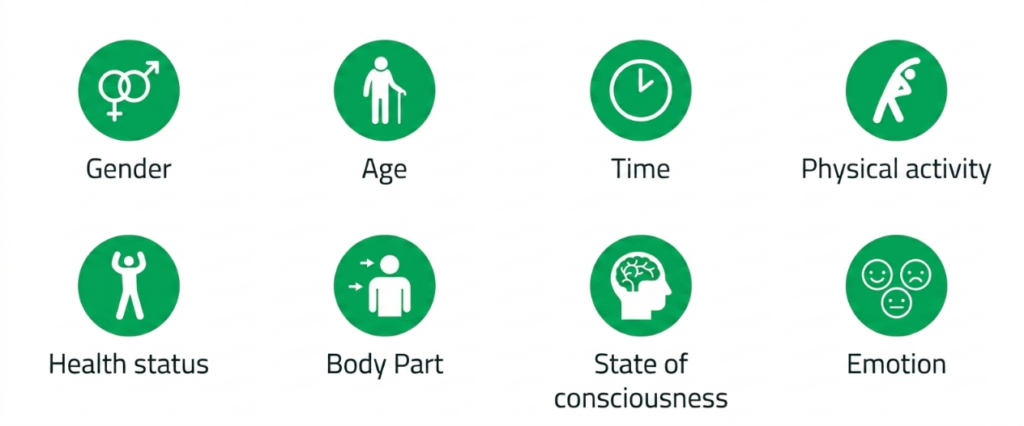
What Affects Normal Body Temperature?
What is Fever?
Fever often occurs in the case of infections, and is a sign that the body’s immune system is working overtime.
The course of an illness can be best monitored by taking a temperature reading 2 to 3 times a day at 4 to 6 hour intervals. Remember, always take the temperature at the same place and the same part of the body. If the fever exceeds 39°C (102.2°C) and not fall again within 1 to 2 days, you should definitely contact your doctor
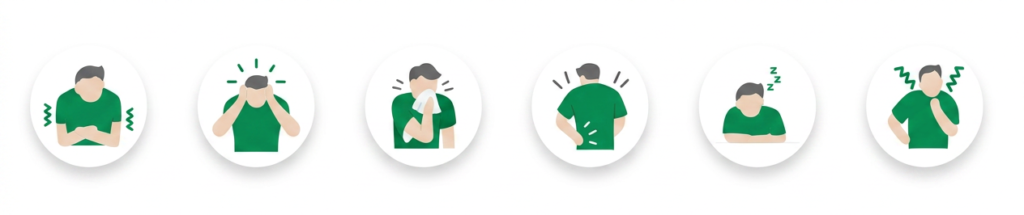
Fever often comes along with the below symptoms:
When is Fever Critical?
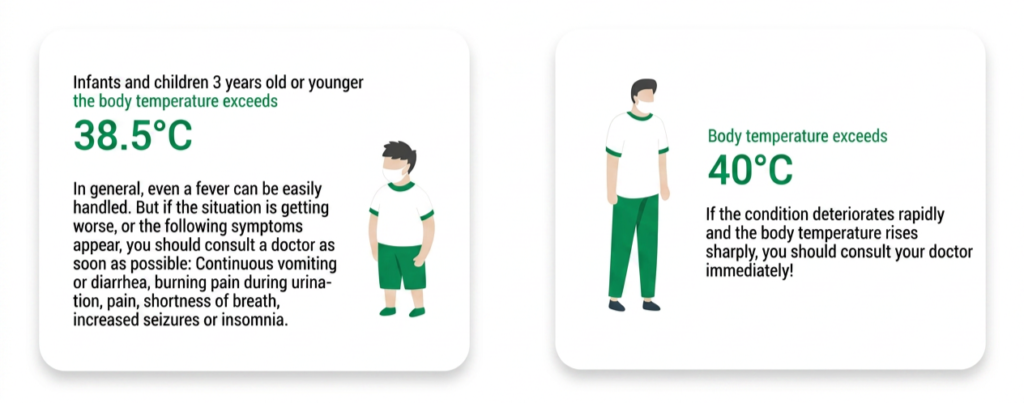
Infants and children 3 years old or younger Body temperature exceeds 38.5°C. In general, even a fever can be easily handled. But if the situation is getting worse, or the following symptoms appear, you should consult a doctor as soon as possible: Continuous vomiting or diarrhea, burning pain during urination, pain shortness of breath, increase seizures or insomnia.
Adult Body temperature exceeds 40°C. If the condition deteriorates rapidly and the body temperature rises sharply, you should consult your doctor immediately!
Guidance on Monitoring
| Rectal / Oral measurement | Forehead measurement | Ear measurement | |
|---|---|---|---|
| Recommend thermometer | Digital thermometer with flexible tip, water-resistant | Non-contact infrared type, Contact infrared type | Infrared type |
| Reasons | Small hand-held size, safe to use, easy to disinfect, fast measurement. | Blood circulation in head is more active compared with other parts of body, so forehead measurement can get results very quickly. | Ear drum is close to the hypothalamus, which regulates the body’s temperature. It quickly reflects changes in body temperature. |
| Recommend use for | Under 5-year-old | Above 6 months | Above 6 months |
Accuracy, suitability, convenience and acceptability by user should all be taken into account when choosing the appropriate thermometer.