

Health Know-how - Blood Glucose Monitor
What is Blood Glucose (Blood Sugar)?
When you eat carbohydrate, your stomach turns it into a sugar called glucose and sends that to your bloodstream. Glucose is precious fuel for all the cells in your body when it’s present at normal levels.
Your pancreas releases insulin, a hormone that helps move glucose from your blood into your cells, which use it for energy.
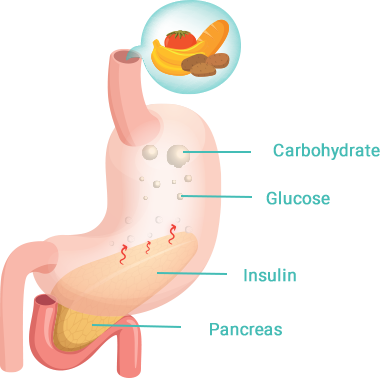
What happens if the Pancreas doesn’t function normally?
When the pancreas produces very little or no insulin or when the body does not respond appropriately to insulin, diabetes can occur.
When you have diabetes, your blood sugar (or blood glucose) levels may be consistently high. Over time, this can damage your body and lead to many other problems.
Normal and Diabetic Blood Glucose Range
| Target Levels by Type | Before Meals | At Least 90 Minutes After Meals |
|---|---|---|
| Non-diabetic | 4.0-5.9 mmol/L | Under 7.8 mmol/L |
| Type 2 diabetes | 4-7 mmol/L | Under 8.5 mmol/L |
| Type 1 diabetes | 4-7 mmol/L | 5-9 mmol/L |
| Children w/ type 1 diabetes | 4-7 mmol/L | 9 mmol/L |
| Low sugar level | < 3.3 mmol/L | N/A |
* Source: National Institute for Health and Care
Excellence Normal blood glucose levels are less than 5.6 mmol/dL after not eating (fasting) for at least 8 hours. And they’re less than 7.8 mmol/dL 2 hours after eating. During the day, levels tend to be at their lowest just before meals.
What happens if Blood Glucose Level is too low or too high? High Blood Glucose
High Blood Glucose
Causes: Eats too much food
Too little insulin to regulate their blood sugar
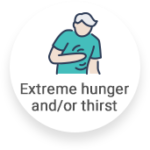
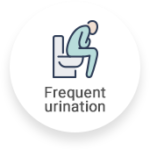


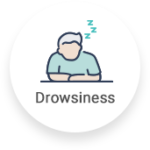
What happens if Blood Glucose Level is too low or too high?
Low Blood Glucose
Causes: Not eaten enough food
Too much insulin within the body


Too much sugar harms your body
Weight Gain
Lead to problems like diabetes and some cancers.
Type 2 Diabetes
When sugar stays in your blood, your body may react by making less of the hormone insulin.
Liver Disease
If your body intakes too much fructose, non-alcoholic fatty liver disease may form.
High Blood Pressure
Sugar raises blood pressure by making your insulin levels spike too high. That makes your blood vessels less flexible and cause your kidneys to hold onto water and sodium.
High Cholesterol
Sugary diets are bad for your heart. They can raise your “bad” (LDL) cholesterol and lower the “good” (HDL) cholesterol.
Gout
Purines, released when your body breaks fructose down, makes uric acid build up in your blood.
Cavities
Sugary diets feed the bacteria in your mouth, which leave behind acid that wears away your tooth enamel.
Kidney Stones
Too much fructose – from table sugar, high-fructose corn syrup, or processed foods – raises your chances for kidney stones.
Poor Sleep
Too much sugar during the day can mess with your blood glucose. You may struggle to stay awake at work or at school. In the evenings, a bowl of ice cream or cookies can pump you with sugar that can wake you up at night. It also can cut short the time you’re in deep sleep.
Ways to Better Manage Blood Glucose
- Know Your Numbers: Check your blood sugar levels at least once a day with a blood glucose mater, and keep a record of the readings.
- Watch Your Weight: Write down your meals and snacks each day to give yourself a better picture of what you eat. Find a way to move your body for at least 30 minutes a day.
- Take Some Pressure Off: Taking care of mental health boosts your physical health and also good management of sugar in the blood.
- Fill Up on Fiber: Since your body doesn’t digest it, it doesn’t raise your blood sugar.
- Go Small With Alcohol: If you drink, women should stick to one 12-ounce bear, one 5-ounce glass of wine, or 1.5 ounces of liquor a day at most. Men should have only twice that. And don’t drink on an empty stomach or when your blood sugar is low.
- Snooze So You Don’t Lose: Too much sugar during the day can mess with your blood glucose. You may struggle to stay awake at work or at school. In the evenings, a bowl of ice cream or cookies can pump you with sugar that can wake you up at night. It also can cut short the time you’re in deep sleep.
- Keep Your Cool: Diabetes feel hotter faster than other people. A hot body doesn’t deal with blood sugar as well.
- Be Travel-Wise: Never leave home without your meds or snacks. And pack more than you think you’ll need of both.
- Drink Up: Don’t wait until you feel thirsty to drink. Diabetes can dry you out.
- Be Carb Smart: Carbohydrates turn right into glucose after you eat them. So it’s extra important to keep them in check.
- Get Physical: Regular exercise makes insulin work better in your body.
- Pay Attention to Portions: Fill half your plate with fruits and vegetables, and split the other half between a lean protein and a grain.
- Mind your Meds: If you do need insulin or other meds, take them as you should, even when you feel good.
- Filter Your Fats: Choose healthy fats like monounsaturated, omega-3, and polyunsaturated ones. Your body needs fat for energy.